High-Quality Fakes: Understanding the Allure and Implications of Counterfeit Products
In the world of durable goods, a surprising phenomenon has actually emerged: high-quality fakes. This term describes replicas or replicas that display a level of craftsmanship and information so authentic that they can quickly be misinterpreted for the genuine short article. These high-quality fakes can be found in various markets, consisting of fashion, electronic devices, art, and even luxury automobiles. As the worldwide economy becomes progressively interconnected, the frequency and appeal of these fakes raise concerns about customer habits, ethical factors to consider, and legal ramifications.
The Rise of High-Quality Fakes
The pattern of high-quality fakes can be traced back to the development of globalization and technological improvement in production. More Information and facts are now able to access products from various parts of the world with ease, and this has actually spurred an unofficial market for reproductions. High-quality fakes do not just can be found in the kind of low-priced alternatives; they sometimes provide equivalent quality and includes to their genuine counterparts, blurring the lines between authenticity and imitation.
Elements Contributing to the High-Quality Fake Market
- Technological Advancements: With enhanced manufacturing procedures, counterfeiters can create replicas that closely resemble initial products. Advanced strategies such as 3D printing and high-definition printing enable higher accuracy and information.
- Consumer Demand: As luxury items get tremendous cultural status, more consumers look for inexpensive ways to gain access to these items. This need has promoted a market for high-quality fakes, which guarantee an elite experience without the associated financial problem.
- Social Media Influence: Platforms like Instagram and TikTok have contributed to the exposure of high-end brand names and items. The desire to emulate a way of life showcased by influencers has actually led numerous to look for replicas, contributing to the popularity of high-quality fakes.
- Cultural Perceptions: In some cultures, owning high-end items symbolizes success and status. The failure for many to afford the real thing has triggered the approval of fakes as a way to achieve this viewed status.
The Appeal of High-Quality Fakes
High-quality fakes frequently possess attributes that entice consumers, consisting of:
- Affordability: They are significantly more affordable than their initial counterparts, making them accessible to individuals who might not pay for high-end items.
- Similar Aesthetics: Many high-quality fakes look almost equivalent from authentic products, allowing consumers to enjoy the visual appeal without the monetary stress.
- Social Acceptance: In circles where luxury or top quality products signify social standing, high-quality fakes might be considered as appropriate alternatives.
- Increased Availability: As online shopping platforms proliferate, so does the ease of access of high-quality fakes, making it easy for customers to acquire what they prefer.
Ethical Considerations
While the allure of high-quality fakes is reasonable, ethical factors to consider abound. Counterfeiting raises significant legal issues and ethical predicaments. Genuine brands invest significant resources into their items, making sure quality, sustainability, and brand name integrity. The proliferation of high-quality fakes weakens these efforts, possibly hurting brand name credibility and consumer trust.
Additionally, the counterfeit market can be linked to broader concerns, consisting of exploitation of labor and negative environmental impacts from unregulated manufacturing procedures. For example, counterfeit production typically occurs in factories with poor working conditions or inadequate labor defenses, raising questions about social obligation and ethical intake.
The Legal Landscape
The fight versus counterfeit items is not just ethical but also legal. There are numerous laws and guidelines in place to secure intellectual property rights. In numerous jurisdictions, the production and sale of counterfeit products can lead to serious penalties, consisting of fines and jail time. Brands often pursue aggressive legal action against counterfeiters to secure their copyright.
What Governments Are Doing
Governments have put steps in place to fight the spread of counterfeit goods. Here are some typical methods:
- Strict Trademark Laws: Enhancing existing laws to supply higher security for trademarks and patents.
- Enhanced Customs Enforcement: Increasing analysis and evaluation of imported products to prevent counterfeit products from going into the marketplace.
- Public Awareness Campaigns: Educating customers about the dangers connected with purchasing counterfeit items, consisting of safety issues and prospective legal ramifications.
- Cooperation with Brands: Collaborating with brand owners to recognize counterfeit networks and enforce existing laws.
Customer Awareness and Responsibility
With the rapid growth of high-quality fakes, customers need to exercise discernment and responsibility in their purchasing decisions. Recognizing the distinction in between genuine and counterfeit items can save customers from legal troubles and ethical dilemmas.
Tips for Identifying High-Quality Fakes
- Research Products: Before purchasing, research study the particular product, its features, and cost variety.
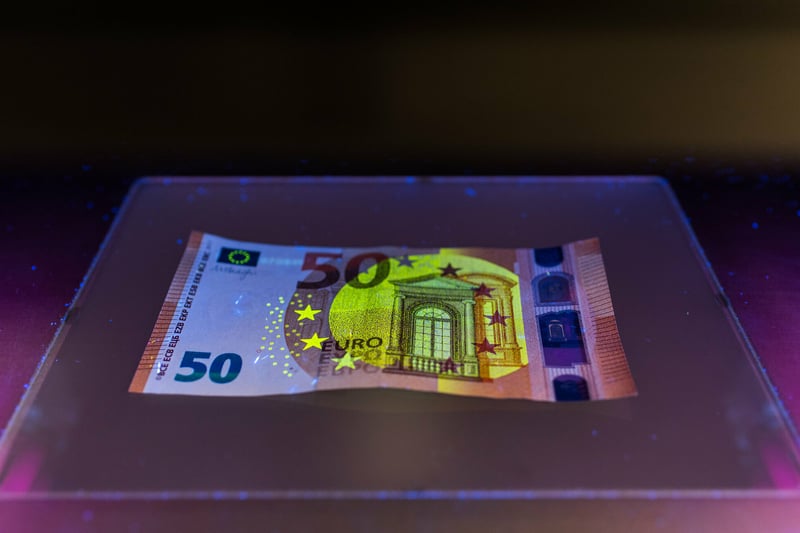
- Examine Authenticity Features: Many high-end brand names include particular credibility markers, such as holograms or identification numbers, to validate real items.
- Examine Quality: Look at the craftsmanship. High-quality fakes may look excellent on the surface but typically do not have the same attention to information in products and building.
- Purchase from Reputable Sources: Buy from authorized dealers or relied on merchants to guarantee the credibility of the items.
- Trust Your Instincts: If a deal appears too excellent to be true, it often is. High-quality items held at rates considerably listed below market price can show a fake.
Regularly Asked Questions (FAQs)
Q1: Are high-quality fakes illegal?Yes, the production and sale of counterfeit items are illegal in a lot of countries. Counterfeiters can face serious penalties, while customers might likewise face consequences if acquiring intentionally.
Q2: How can I inform if an item is a high-quality fake?Research study the brand name, check for authenticity functions, take a look at the workmanship, and compare prices with authorized sellers to identify prospective fakes.
Q3: Are all high-quality fakes of bad quality?Not always. Some high-quality fakes can carefully mimic the original items and may have appropriate quality, however they remain prohibited and unethical.
Q4: Why do individuals buy high-quality fakes?Lots of buyers are motivated by price, the desire for status, social networks impact, and ease of access.
Q5: Is it ethical to purchase high-quality fakes?This is subjective. While some argue it provides a type of expression or rebellion against consumerism, others consider it unethical due to the effects for genuine brand names and the potential exploitation included.
In conclusion, high-quality fakes reflect a complicated intersection of consumer behavior, economic elements, and ethical factors to consider. While they use an attractive option for cost-conscious purchasers looking for luxury experiences, navigating the implications of counterfeiting is important for promoting responsible consumption and upholding brand stability. As awareness grows, customers' options will play an essential role in shaping the future of this contentious market.